Technique
Euro nymphing, explained without the jargon
A competition technique that became the standard way to fish fast water. The idea underneath it is simple.
The problem it solves
Fish an indicator through a fast riffle and two things go wrong. The indicator is dragged by surface current that moves faster than the water on the bottom, so your flies never get down and never drift naturally. And by the time a take registers on a float sitting two metres away, the fish has already spat the fly.
Euro nymphing removes the float and the slack. You fish a long, thin leader with weighted flies, hold the rod high, and stay in direct contact with the flies the whole way down the drift. Takes register as a hesitation you feel or see in the leader, not as a bobber going under.
What you need
Less than the marketing suggests. The rod matters least when you are learning.
- Heavy, small flies — tungsten beads, slim profiles. Weight is what gets you down, not split shot.
- A long leader, typically 20 feet or more, far thinner than a normal tapered leader.
- A sighter: a short section of brightly coloured line in the leader that you watch for hesitation.
- A tight line from rod tip to fly, with no belly of fly line on the water at all.
Fly choice
Slim beats bulky. A euro nymph has to cut through the water column quickly, so dressing is sparse and the bead does the work. Tungsten sinks roughly twice as fast as brass at the same bead size, which is the whole reason to pay for it.
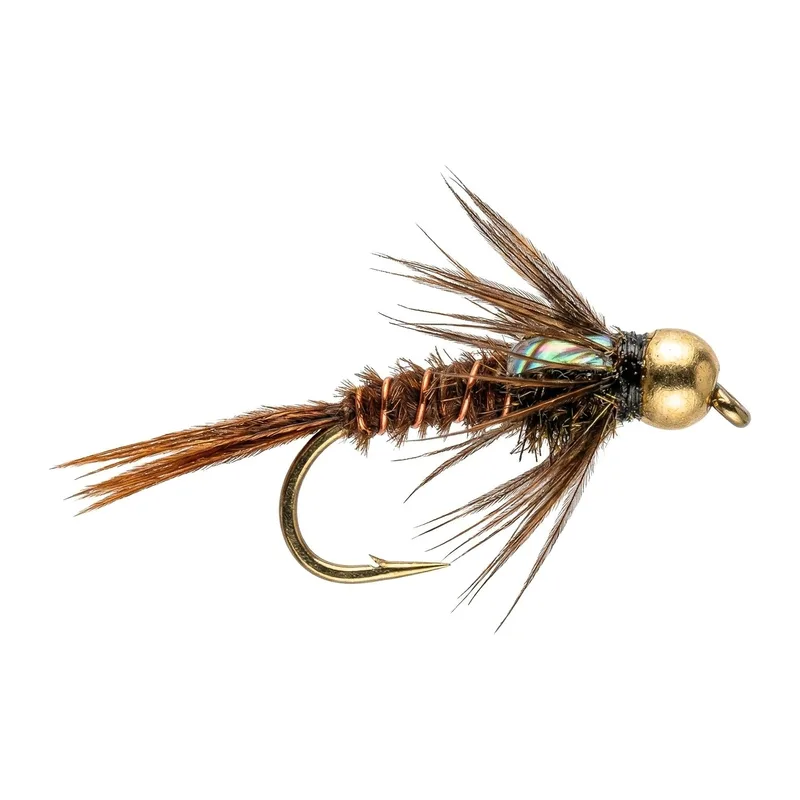
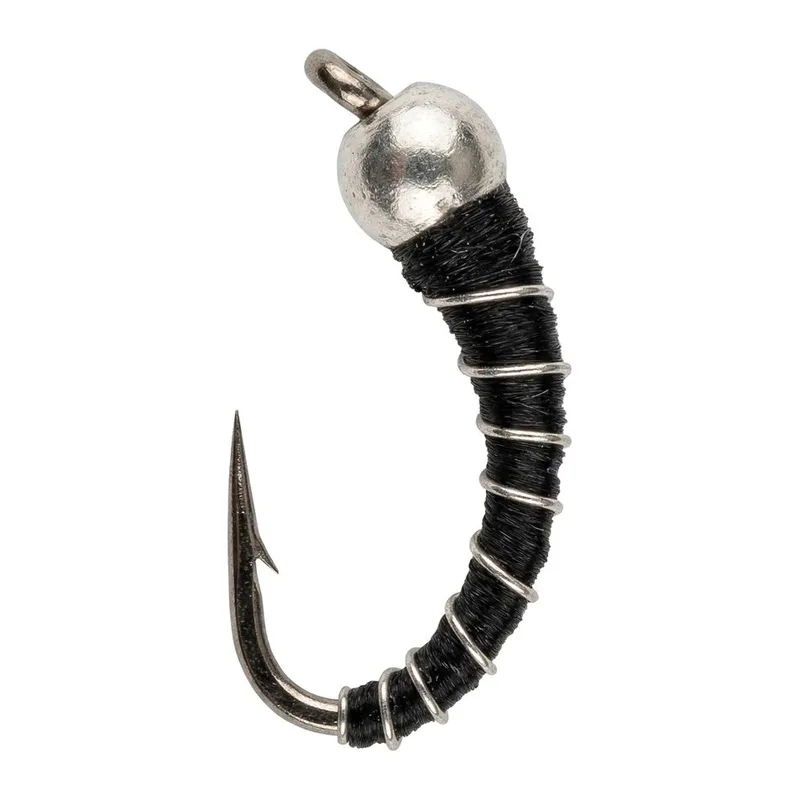
Two flies is standard: a heavier anchor fly to get the rig down, and a lighter one above it. Our Pheasant Tail with a tungsten bead is built to be an anchor; the Zebra Midge works as the dropper.
The three mistakes everyone makes first
- Too much slack. If the leader is bellying, you will not feel the take. Lead the flies down the drift with the rod tip.
- Flies too light. If you are not occasionally ticking the bottom, you are fishing above the fish.
- Striking too hard. The fish is close and the line is tight, so a lift of the rod is enough — a full strike breaks fine tippet.
Mentioned above