Choosing flies
Trout flies through the season
A hatch chart is local. This is the logic behind one, which travels.
Spring: nymphs, then the first big hatches
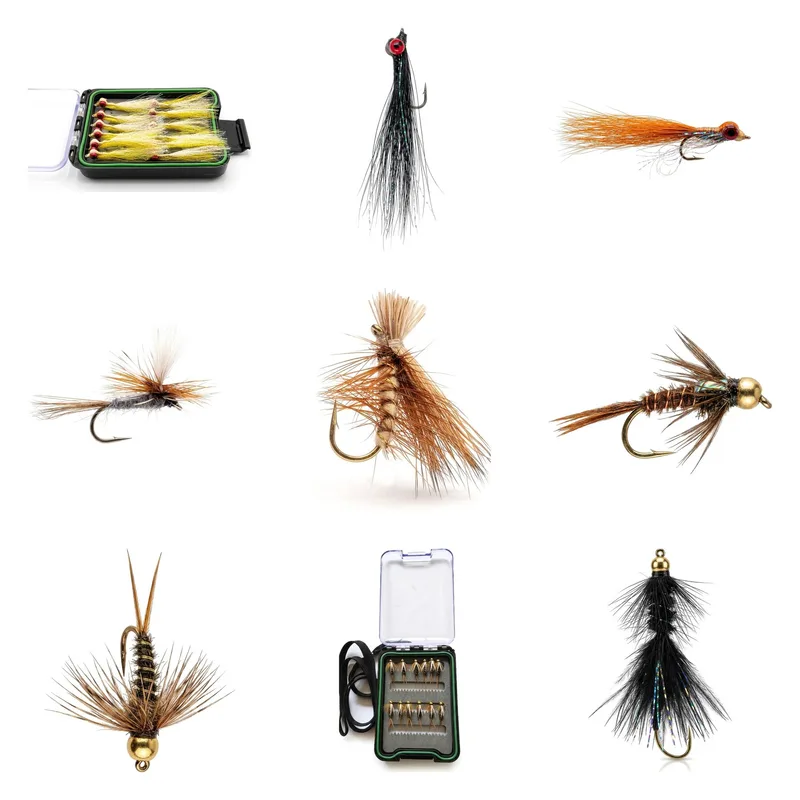
Cold water early on means fish hold deep and move little. Lead with weighted nymphs fished slowly and close to the bottom — Pheasant Tail and Prince Nymph in #12–16, with enough tungsten to reach them.
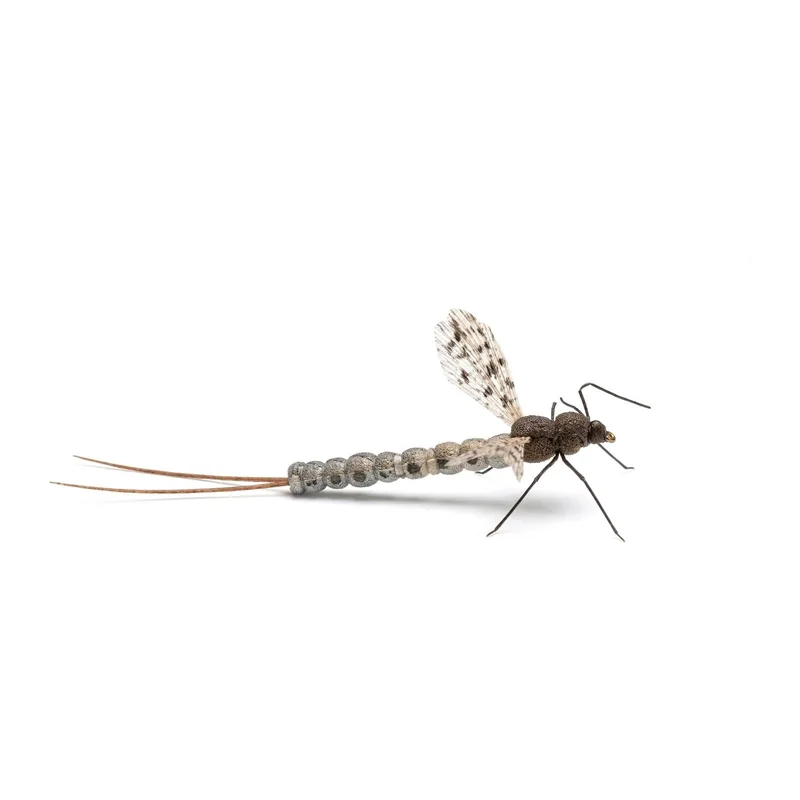
As water warms, the first substantial mayfly hatches arrive and fish start looking up. A Parachute Adams covers most of what emerges; if fish rise and refuse it, drop two sizes before doing anything else.
Summer: terrestrials, early and late
Warm water holds less oxygen, so fish feed hardest at the ends of the day and hold in riffles and shade in between. This is hopper season: once grasshoppers are in the bankside grass, wind puts them on the water all afternoon, and a big high-floating terrestrial tight to the bank will move fish that ignore everything subtle.
It is also the best time for a hopper-dropper — a buoyant terrestrial with a small nymph hung below it, which covers two feeding lanes with one cast.
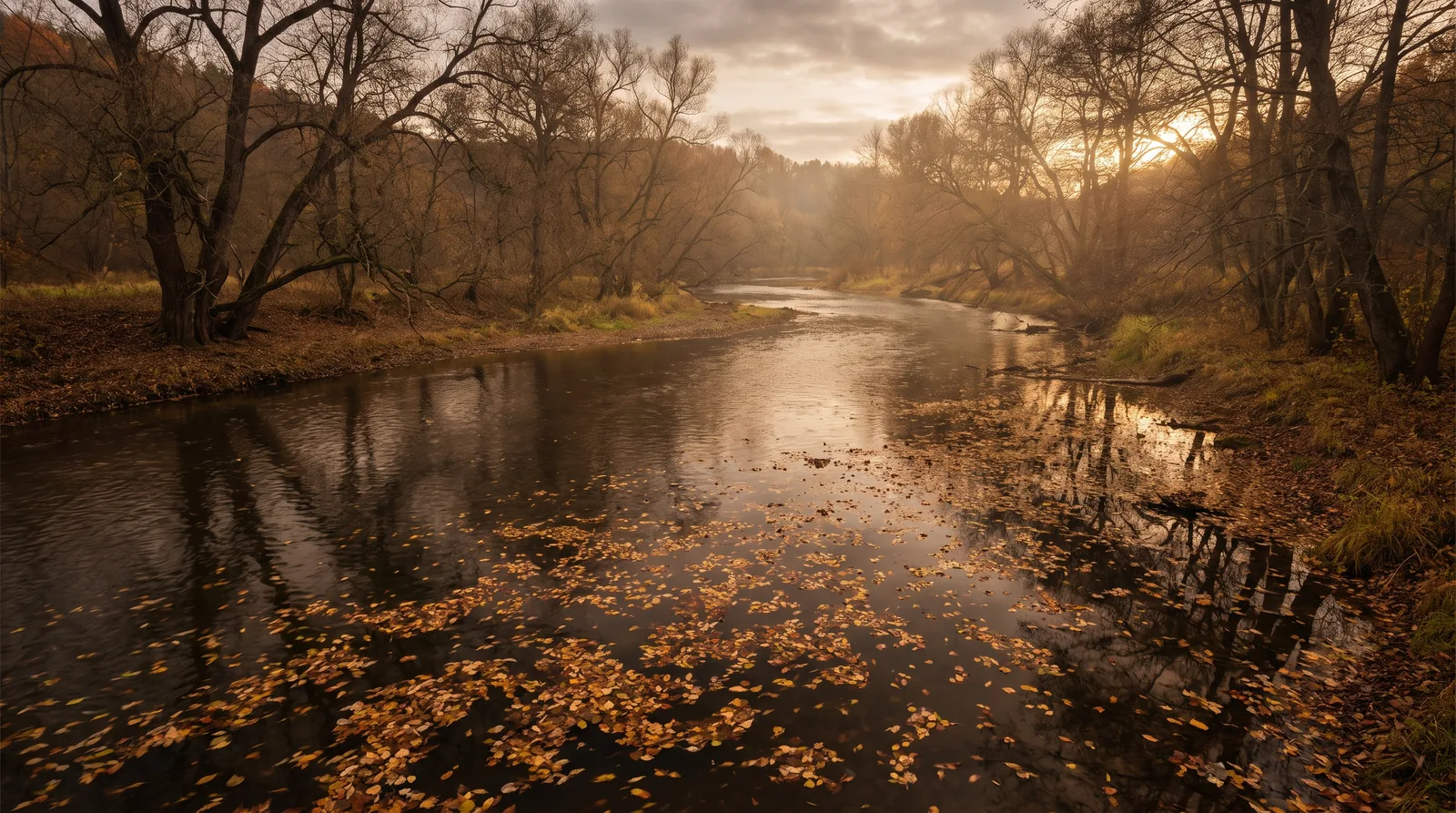
Autumn: streamers, and the biggest fish of the year
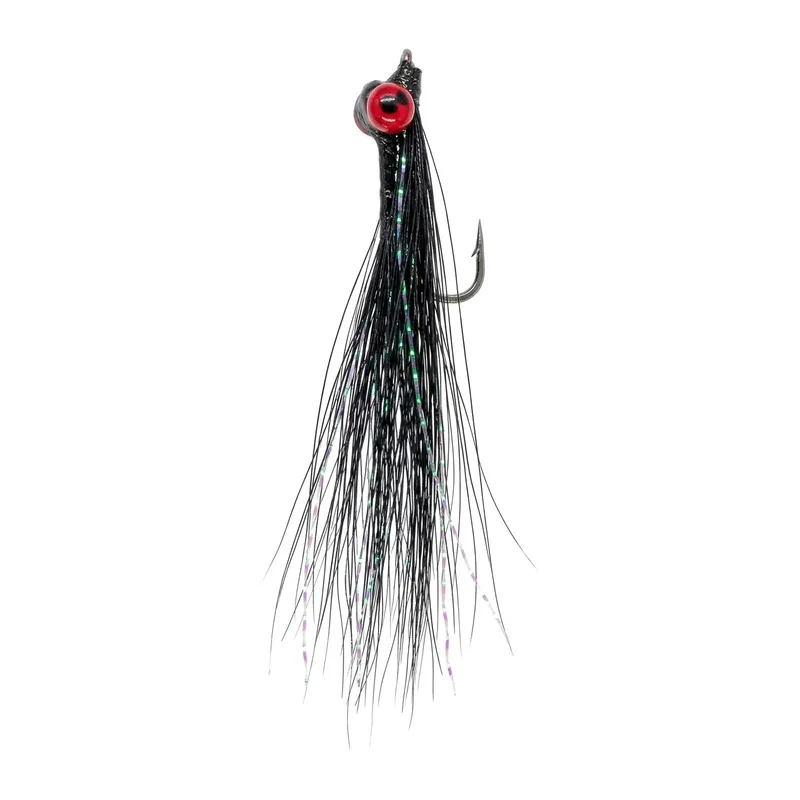
Falling temperatures and shortening days turn trout aggressive and territorial before spawning. Big fish that have spent the summer eating insects start hunting. Strip streamers hard through deep pools and along undercut banks — black in low light and coloured water, natural in clear.
Caddis remain useful into the autumn evenings, and a skated Elk Hair Caddis in the last hour is one of the season's pleasures.
Winter: small, deep and slow
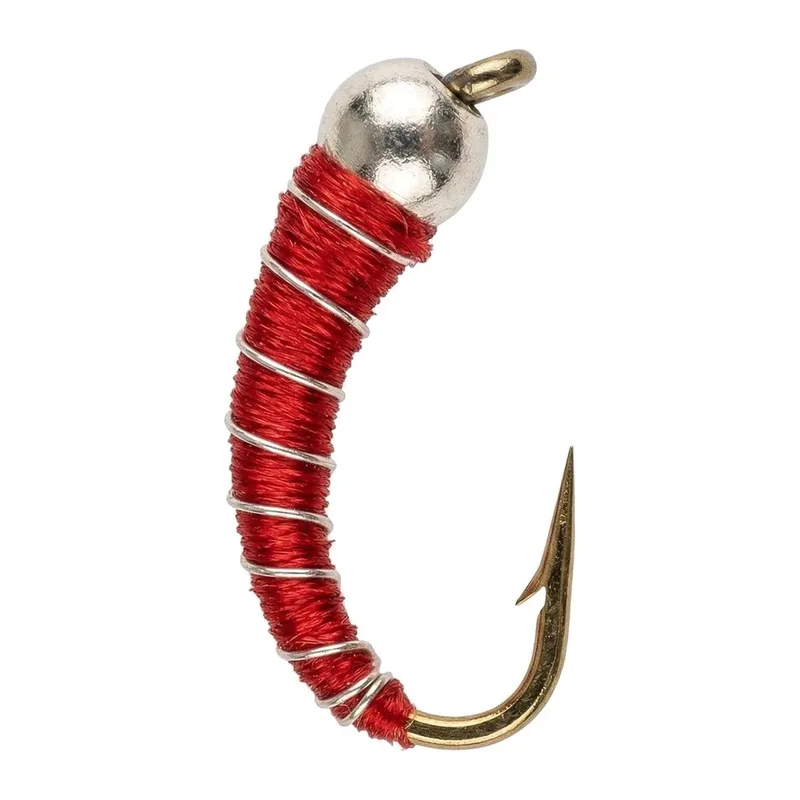
Cold fish do not chase. Everything gets smaller and slower: Zebra Midges in #18–22, fished deep and dead-drifted through the slowest water you can find. Fish will hold in the softest, deepest pools and move inches rather than feet to eat.
This is when tailwaters and spring creeks come into their own, because their temperature barely changes and midges hatch all winter.
Mentioned above