Technique
Fishing streamers for bigger fish
The method that finds the fish that stopped eating insects.
Why big fish eat streamers
There is a size beyond which a trout cannot make a living on midges. A large fish needs meals worth chasing, which means baitfish, leeches, crayfish and anything else it can corner. A streamer is the only fly that offers that, which is why streamer anglers catch fewer fish and bigger ones.
It is also the most active way to fish. You are not waiting for a drift to finish; you are moving the fly and provoking a decision.
Three retrieves, in order of usefulness
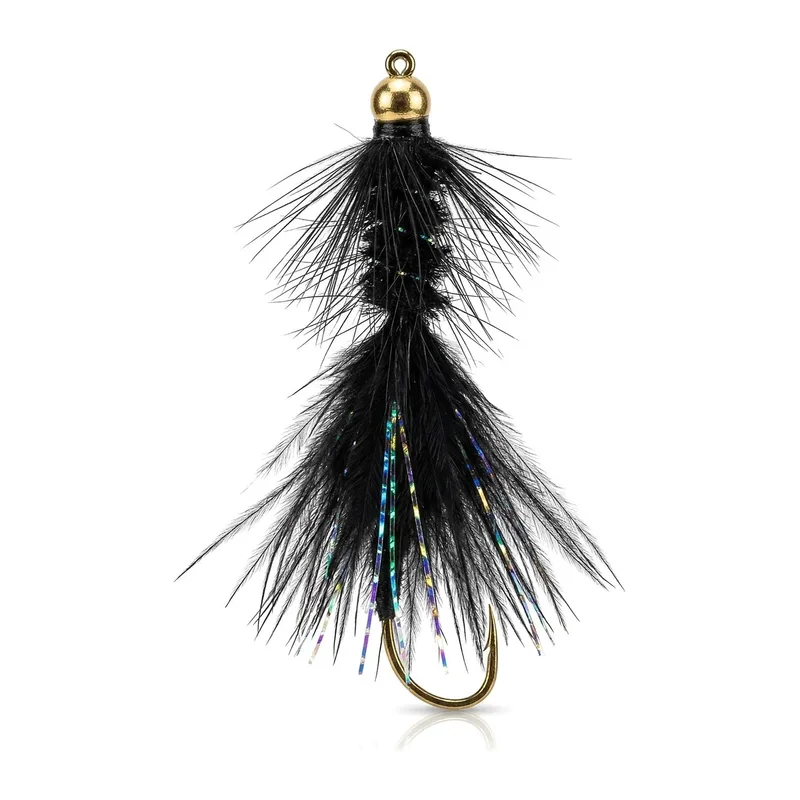
- Strip and pause. Two or three sharp pulls, then stop. Almost every take comes on the pause, as the marabou breathes and the fly falls — a fleeing baitfish that stops looks injured.
- The swing. Cast across, let the current sweep the fly round below you under tension. Covers a lot of water and works well in coloured conditions.
- Dead drift. A weighted streamer bounced along the bottom like a dislodged sculpin. Unglamorous and very effective in cold water when fish will not chase.
Which dressing
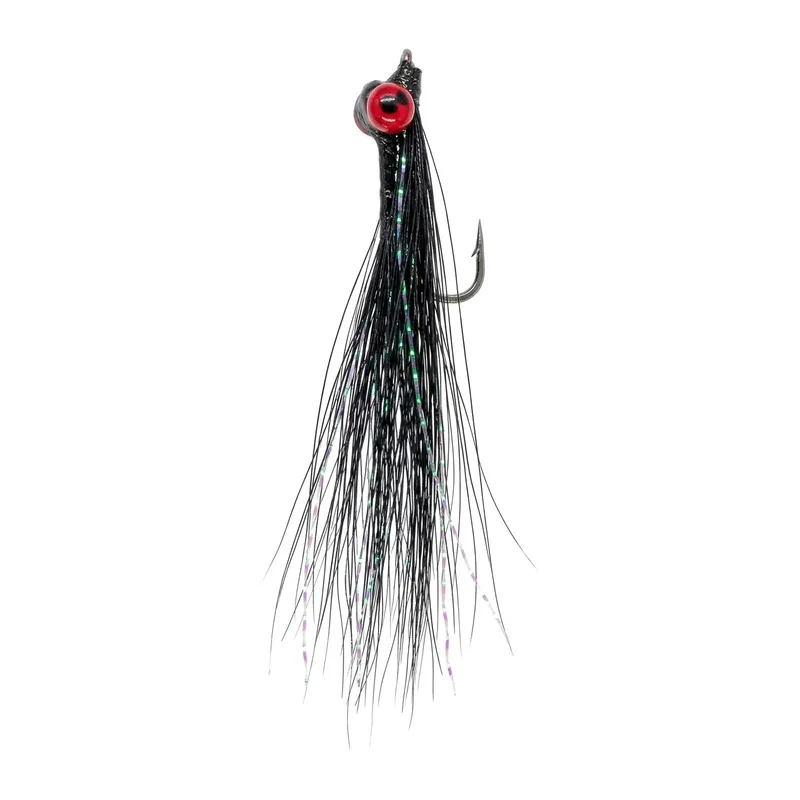
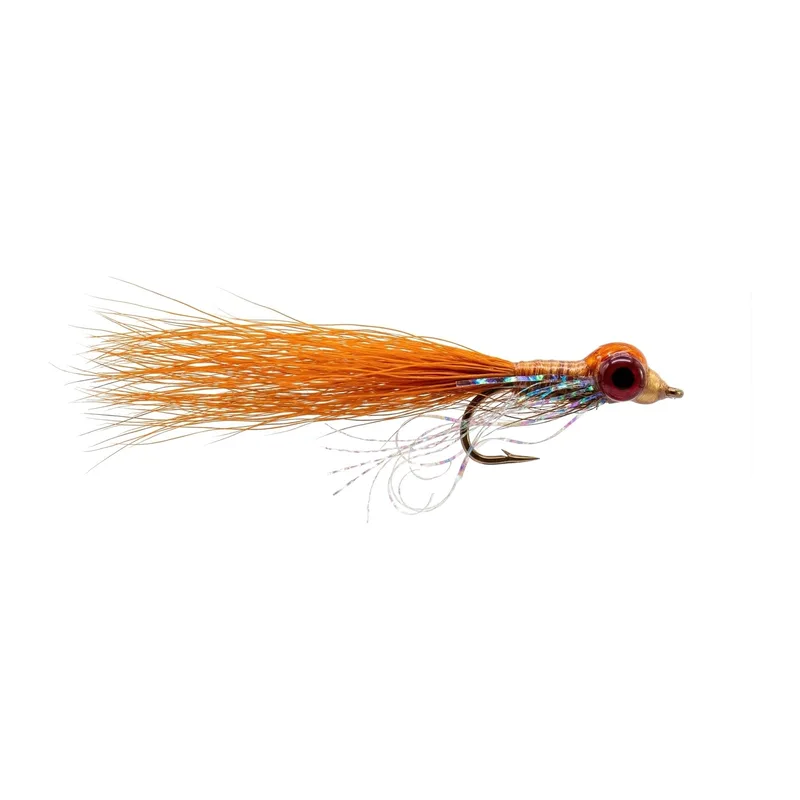
Black in low light, coloured water, or at night — a dark silhouette reads hardest against a bright surface. Natural and light dressings in clear water and bright sun. Hot colours like orange when the river is carrying colour after rain, and you need to trigger aggression rather than appetite.
The Clouser Minnow swims hook-point-up because of its weighted eyes, so it comes through rock and weed far cleaner than a conventional streamer. That inverted swim is also a jigging action on the pause, which is where it gets most of its takes.
Strip strike, do not lift
When a fish hits a moving streamer, keep stripping and let the line come tight, or pull with the line hand. Lifting the rod pulls a big fly straight out of the fish's mouth and leaves you with nothing to set with. This is the single most common reason people lose streamer takes.
Mentioned above